Cheese Making Class This Saturday

By | Uncategorized | No Comments

Cheese Making Class This Saturday:
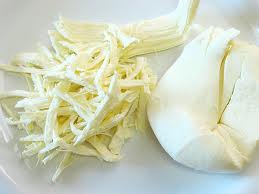
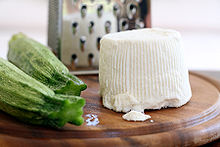
Mozzarella, Ricotta, Queso Oaxaca and Italian Burrata!

Date: Saturday, November 17th, 2012

Time: 9-12

Cost: $65

 or if you are a CSA member, just email us here that you’d like to be included: CSA@morningsongfarm.com. For more info: donna@morningsongfarm.com.

We’re looking forward to this Saturday’s Cheese Making Class with Virginia Masters. She’s teaching us how to make Mozzarella and Ricotta, as well as the more unusual Queso Oaxaca and Burrata Cheeses, all from cow’s milk. This class is the 2nd in a series and includes enjoying your cheese on a barbequed quesadilla or pizza at the end of the class.  We’ll have a farmer’s market stand with cheese making kits for sale, as well as farm produce. And we’ll do a goat milking demonstration at 9:00 sharp, so plan to be here a few minutes early!  Meet our herd of baby and adult Nigerian dairy goats. Carl, the Herd Leader requests that you bring something crunchy, his current favorites include granola bars.

 Many haven’t heard of Burrata Cheese, but after making it here we think it will be among your favorites! Some people have confused this Italian cheese with Mozzarella, or even Ricotta. But it’s a cheese variety that stands on its own. Burrata means “buttered” in Italian, which hints at its richness. There are similarities to Mozzarella, but Burrata is far richer, softer and creamier.

The other cheese on the menu that is lesser known is the Mexican traditional Oaxaca Cheese. Named after the state of Oaxaca in southern Mexico, it is a white, semi-hard cheese which is best known for adding its distinctive taste to authentic quesadillas and empanadas. Queso Oaxaca is just hard enough to be able to be grated; similar to unaged  jack cheese, but with a consistency closer to mozzarella..

Ricotta Cheese is the third cheese of this fun day, and I’m particularly excited about the dessert recipe possibilities that this sweet curd cheese offers. Ricotta is an Italian cheese made from the liquid leftover from other cheese making activities. Because it is so highly perishable, and it uses the by product of other cheese making ventures that would otherwise go to waste, learning how to make this easy cheese at home is a must!


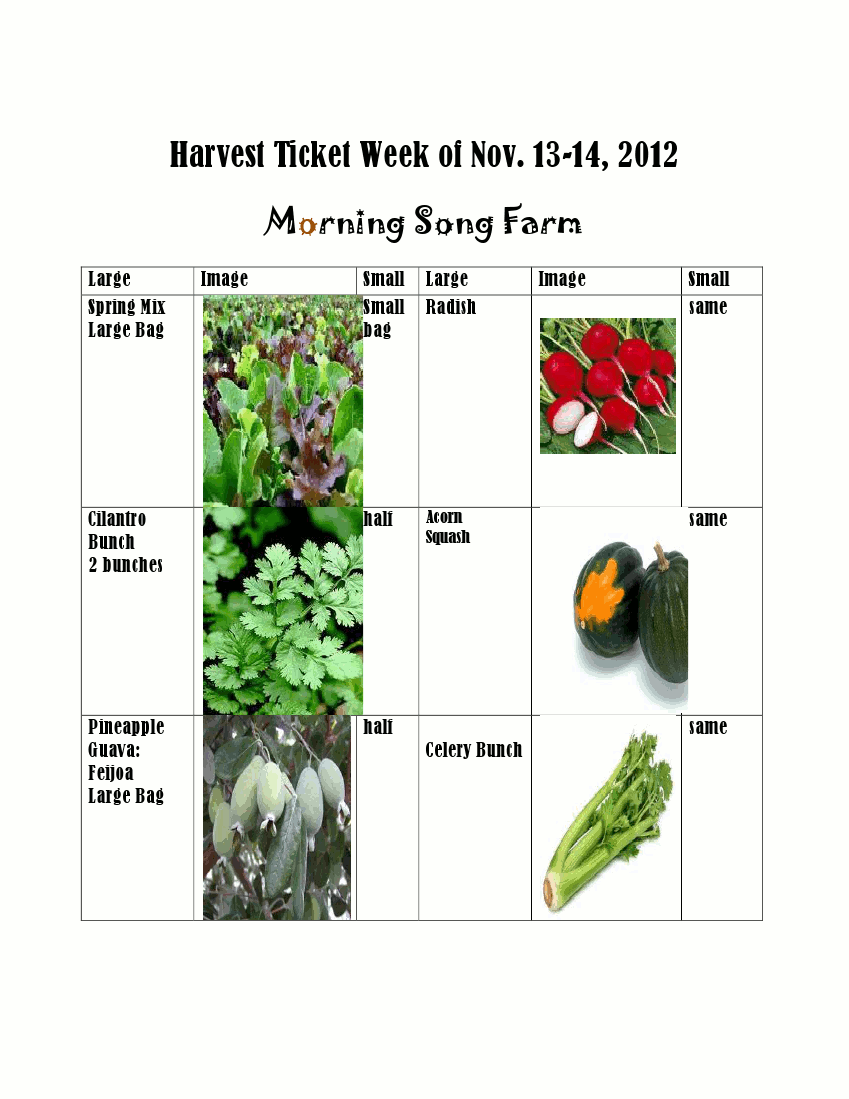
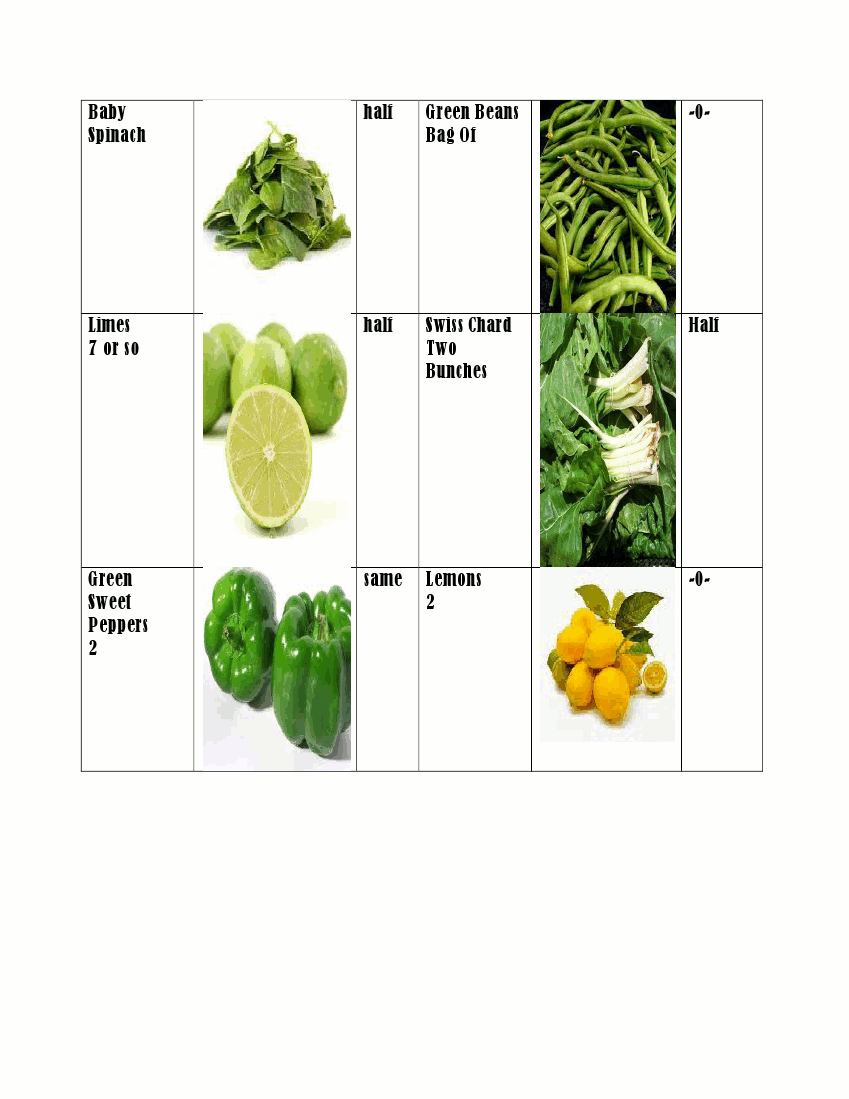
Harvest Ticket Nov. 13-14

By | Uncategorized | No Comments

It’s certainly turned to “winter” here on the farm, although I blush to use the term when I hear what relatives in Maine and New York are dealing with. But here’s the thing about Southern California winters: they always take us by surprise. The weather is so agreeable, that when we actually have to reach for a jacket there’s a sense of an entitlement being trampled on. We’re never ready, as though the cold weather gear in the back of the closet is well, old fashioned; so last decade. When in fact, same as every year, it’s only been a handful of months since they were cast off. Try executing an attitude like that in New York. Ha! I took my daughter to Magic Mountain this last weekend and had to send her back in the house when she appeared in summer shorts and a short sleeve t-shirt. Yes, it might actually be chilly two and a half hours north of San Diego in the first week of November. Roll of the eyes aside, mom withheld the enormous I Told You So when purchasing warm weather gear proved necessary once we arrived at Magic Mountain, despite her change of clothes. This never happens in Maine. There are no teenagers becoming Warm Weather Complacent and arguing over if winter weather is going to indeed arrive this year.

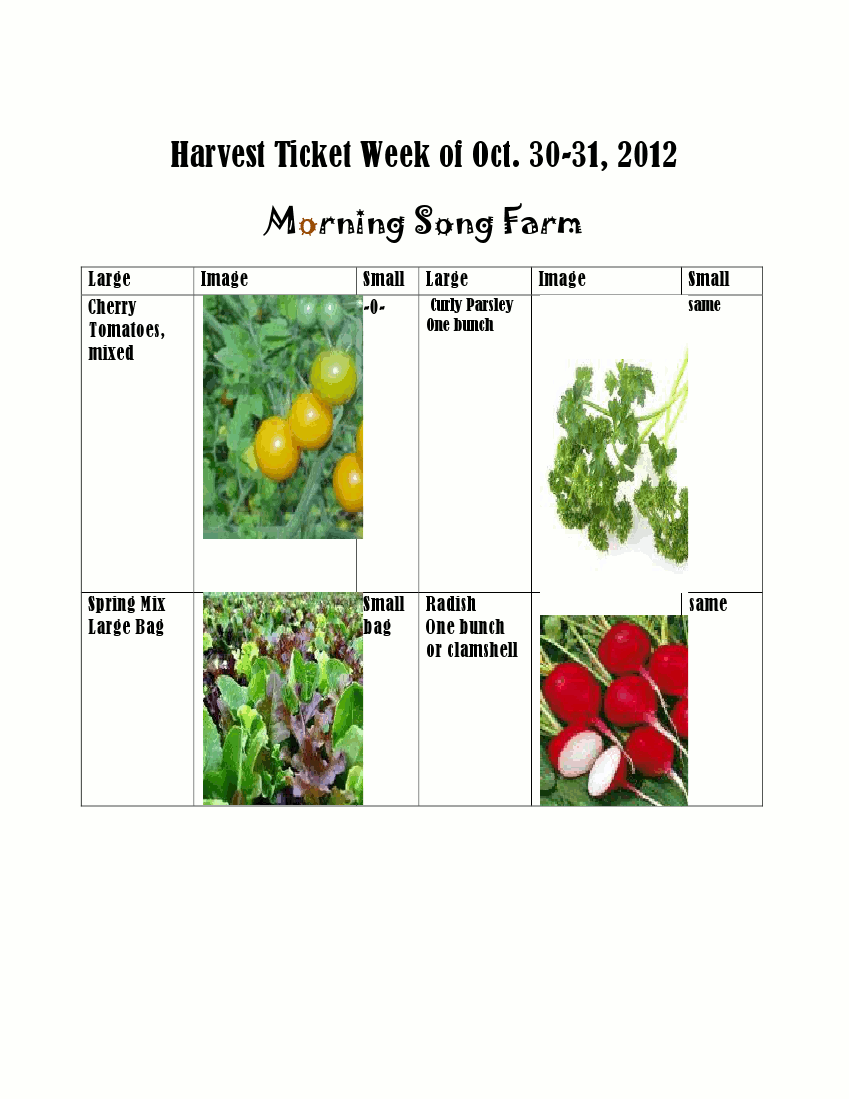
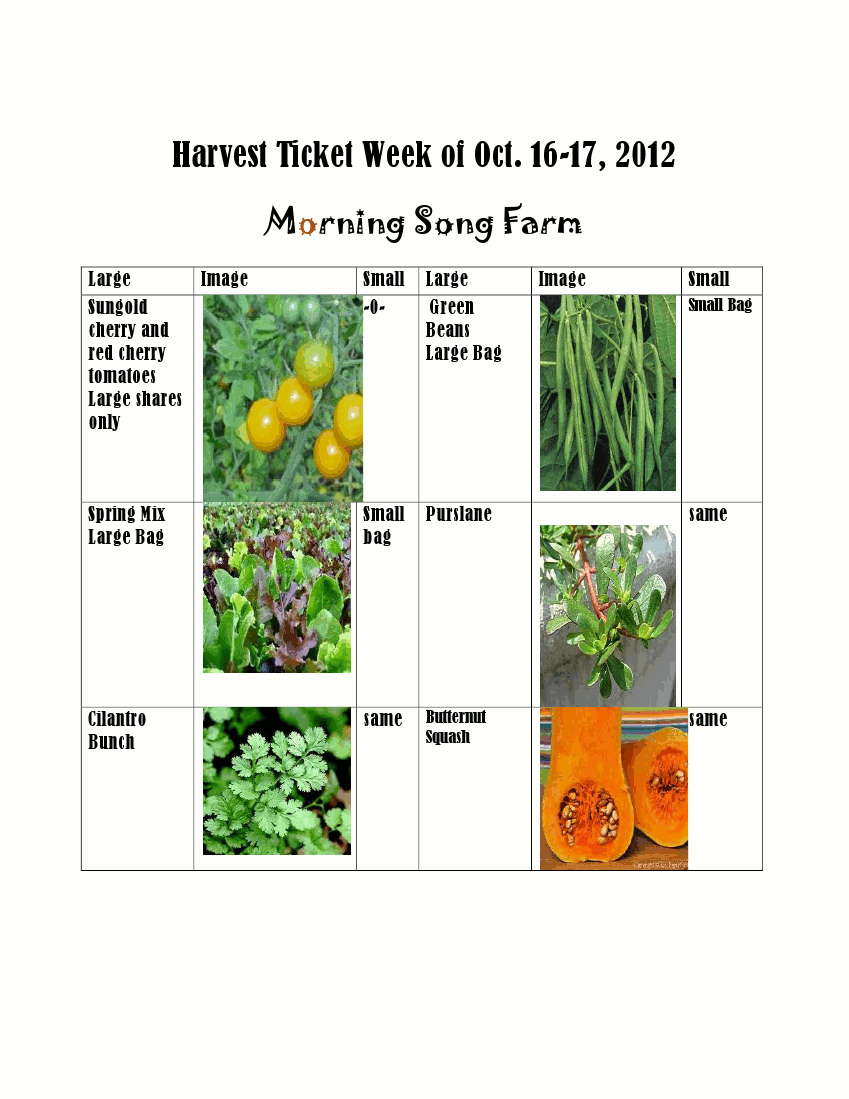
We’re finishing up the last of our tomato harvest, with not even enough to put in boxes this week; so crew and chickens are getting their fill. We had considered (as we do most years) putting plastic hoops over the tomatoes, so they would continue to fruit into the darker months. But as I’ve said before, although it just kills us all to plow under beautiful, healthy tomato plants, the truth is; winter tomatoes just aren’t that tasty. Even vine ripened winter tomatoes  aren’t anything to write home about. So we decided, as we do every year, to give them up and dedicate the land to something else.

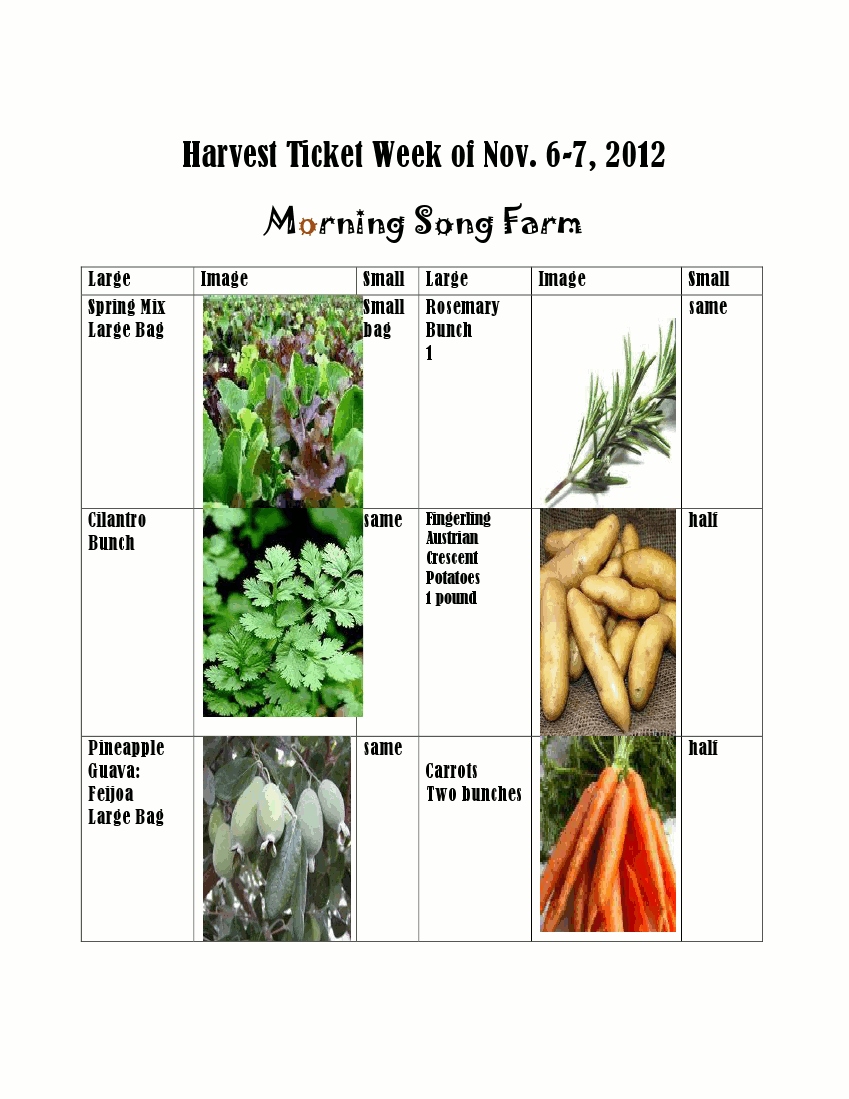
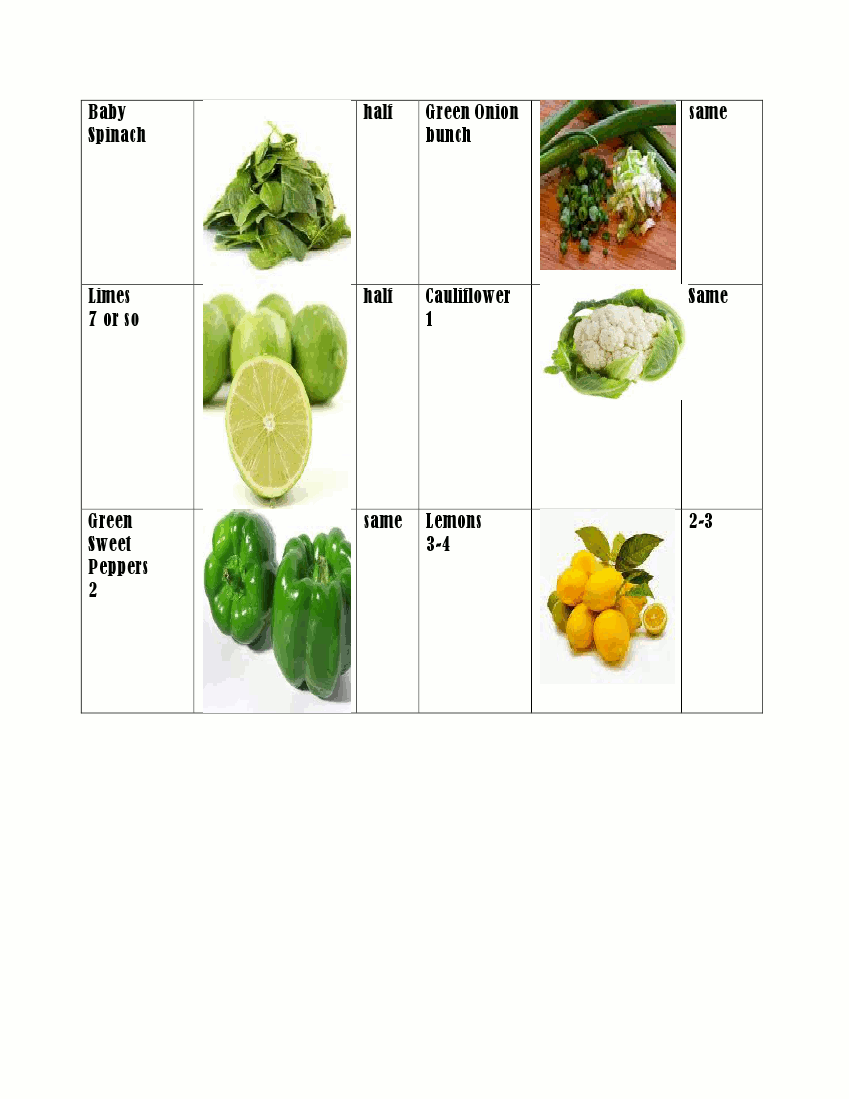
We thought we wouldn’t have any more guavas this week, but alas, the trees are giving us a final harvest, maybe even into next week. Many of you are experimenting with guava jelly, please consider sending us your recipes if you’ve found one you really love. I’ve always enjoyed the fioja out of hand, and haven’t done much in the way of cooking with this fruit, although they make a lovely smoothie ingredient.

The Acorn Squash this week is among my favorite veggies to work with this time of year. There’s muffins and soups, casseroles, pies and stir fries. Such a versatile gem! I’ll include a few recipe ideas this week, and encourage you to share yours with us as well!

Farmer Donna

Hey! Where's My Eggs?

By | Uncategorized | No Comments
Good Question! We’re wondering, too. Certainly our  experience with raising chickens for eggs has underscored why the egg business is dominated by inhumane factory farm practices. Our feed and labor costs have continued unabated of course, but our chickens this week have responded to the shorter days and cooler nights by reducing their egg laying by more than half. This morning I just gathered two eggs. Not two dozen. Just two. Most of our CSA subscribers aren’t ordering eggs, but those are are have been getting emails and credits when all or part of their egg orders don’t materialize. It’s confusing for everyone. I’m spending more time in the office keeping tract of credits email missing egg inquiries, and egg invoices, than I am actually working with our chickens. It’s nuts. I had thought it would be easiest to add egg orders to CSA invoices, which are sent out at the end of each month for the next month’s shares. But now I’m stuck in the office doing this marathan credit memo, accounting reconciliation procedure each week after boxes go out because the chickens’ egg counts varies so. Soooo, we’re going to scale back to a handful of original egg buyers, based on a first come first served roster, and bill even those few only after they’ve been delivered; i.e. at the end of each month. I’m certain our egg counts will rise as our fledgling chickens come into production; hopefully offsetting the reduced eggs of the winter months. But let us not count our eggs before they’ve been laid! We’ll send out notices to all; and let you know where on the wait list you are.

Feijoa Guava and Lime Muffins

By | Uncategorized | No Comments

Although I have to admit I mostly just eat my feijoas out of hand, CSA members have asked what else can be done with the short but abundant harvest. With 3 grams of protein in one cup of pureed (243g) fruit, feijoas have more protein than a banana and 4 times the calcium. Although they have less potassium than a banana, they still pack a whopping 377 mg per cup, and boast almost 50mg of vitamin C and they’re a good source of Folate.

But enough of the numbers, this receipe adapted from food.com’s receipe of many years ago, is a favorite:

3 cups of flour
2 tablespoons baking powder
1 cup powdered sugar. (I use regular sugar and Vitamix my sugar until it’s fine.)
3 fresh eggs
1 1/4 cups milk (not ultra-pasturized)
1 1/2 cups feijoas, peeled and finely chopped
1/2 cup butter

Ingredients for glaze:
2 tablespoons powdered sugar
2 tablespoons lime/kumquat or lemon juice
juice and zest of 2 limes or lemons

Directions: Sift the flower, baking powder and sugar into a large bowl. In a separate bowl, blend the eggs, milk and feijoas. Little by little, combine the contents of the two bowls into a third bowl and fold the butter in bit by bit as you do.

Spoon into muffin tins and bake at 350 for 15-20 minutes.

To make the glaze, simmer the sugar, juice and lime/lemon zest until the sugar has dissolved.

Stand muffins for 2 minutes before brushing with the glaze.

Butternut Pie

By | Uncategorized | No Comments
 

Butternut squash is a fantastic source for the filling of a pumpkin-pie like dessert. Don’t forget to pick up enough organic whipping cream (consider flavoring with a little rum) to use as a topping: a critical component!
 
Directions: Line a pie pan with pie dough. I often cheat and use Trader Joe’s pie dough, which comes frozen. For a while there, they were having a problem with quality control, but the product now is excellent and a big time saver; especially if you don’t make alot of pies and don’t have a system. There was a time when I made a couple pies or quiches a week, and I really had the whole pie dough thing down to a science. Now, not so much and though a Slow Food Advocate, I use Trader’s product.

Preheat oven to 425.

Here’s the recipe:
2 cups of cooked squash or edible pumpkin. Do NOT try using a decorative pumpkin in this recipe. I’ve tried it, and it was just beyond awful, watery and not flavorful at all.
 
1.5 cups of organic cream. Watch out for the weird stuff grocery stores are now putting in “cream.” Trader Joes is good, and Henry’s and Sprouts have products without the garbage, too. Also, be aware that “ultra-pasturized” dairy has the shelf-life of a Twinkee. It’s garbage, too. It doesn’t even need to be refrigerated, although it’s sold in the same container as regularly pasturized products, and sold from the refrigerated section. Smoke and mirrors. If you can’t find raw, definately choose pasturized, not the ultra .
 
1/4 cup brown sugar

1/2 cup white sugar

1/2 teaspoon salt

2 Teaspoons Cinnamon

1/2 Teaspoon Ginger

1 Teaspoon Nutmeg or Alspice

1/2 Teaspoon of finely crushed Cloves

2 beaten eggs
 
Beat together and pour into uncooked shell. I tear little strips of aluminum foil about an inch wide and wrap just the edges of the pie crust so they don’t overcook. Bake until a toothpick inserted in the center of the pie comes out clean.

Toubouli: The Reason Parsley Exists

By | Uncategorized | No Comments


Okay, I admit it. The main reason that parsley exists for me on the planet is for tabouli. I always considered the parsley on the plate as decorative. So when I tried this at a friend’s house I have to say I was surprised. Then addicted. Besides the obvious and critical component of finely chopped parsley, the core of this dish is a processed form of wheat, called bulgur. There are numerous tabouli recipes, this is just one.

Bulgur wheat dates back several thousand years. Because the wheat was dried in the sun, it resisted mold and stored well for long periods of time; making it a survival food during famine. The ancient process is still used in some parts of the Mediterranean. The fresh wheat is boiled in pots until fully cooked (this can take more than a day on some cases), then it’s spread out on rooftops to dry in the baking sun. Finally, when the moisture content is near zero, the wheat kernels are cracked into pieces and sorted by sieving into different sizes for different uses.

Today, the bulgur you buy is processed using modern methods, but the nutritional value is still that of a whole cereal grain.

Ingredients

1 cup raw bulgur wheat…try to find medium or course grain; fine grain is too heavy and isn’t good for Tabouli.

20 to 25 sprigs parsley; finely minced; including stems

10 large radishes, diced

1/2 cup fresh lemon or lime juice

1/4 cup California Olive Oil

1 Tablespoon salt

1/2 Teaspoon pepper

2 tomatoes, diced

2 medium onions, diced

Rinse wheat. Pour enough boiling water over it to cover by 1 inch. Let stand for half an hour, or until wheat is light and fluffy. What you are doing is rehydrating your dehydrated wheat. Drain off excess water in a colander, then squeeze with your hands to remove whatever water you can.

Mix with your chopped veggies, add lime juice, oil and spices.

I serve with warmed pita bread.

Book Now!